Swimming is a great activity that so many people enjoy. However, it also is an incredibly complex sport when you get into learning form and technique. While there's a lot to learn, one of the hardest parts is figuring out how to relax in the water. Sounds simple, right? Maybe not as simple as you would like to think. If you've been swimming for years, you probably are well versed in the art of relaxing in the water, but if your child is just learning to swim, they may not have the same sentiment towards relaxation in the pool.
So, what exactly does muscle relaxation help? Everything!
Fluid Movement. Fluidity in the body while swimming is key. It's such a graceful sport, but if you find yourself tense, it's much more difficult to swim as swiftly and effortlessly as we would like. Tense muscles can ruin your form entirely.
Exerts More Energy. According to
Verywell Health, an abundance of muscle tension wastes energy and can contribute to fatigue and chronic pain. This is a habit you don't want your child to form, especially if they want to get involved in swimming at a competitive level. If you or your child needs some muscle relaxation exercises, click here.
Floating. If you're tense, you're effectively making your body heavier, and are more than likely not breathing the way you should be. This will certainly make you sink instead of float. The most important part of floating is relaxing, so it's important to master this skill for swim lessons. Though your child's first instinct may be to thrash their arms and legs around, with practice they can learn how to control their instincts and float.
Senses. Feeling the water is crucial to the swimming process. When a new swimmer is tense, the water is unable to hold up. Therefore, your child doesn't know their balance/buoyancy in the water. It's important for them to learn that if they keep their chin up and breathe deeply, they should be able to feel their bodies rise in the water. Once the swimmer feels their own buoyancy, they know how to control their bodies better.
Performance. Much like stage fright, you might not be able to perform well if you're tense. It disturbs your mental game, but also physically inhibits your body from performing at its best. A little bit of nerves can be good, but letting those nerves make your muscles tense is a mistake. Especially in a competitive environment, it's easy to let nerves take over when you should be working at being completely at peace.
What can you do to be less tense?
Are you looking for ways to help your child be more prepared for swim lessons? Knowing how to float in water is a crucial aspect of developing skills in the pool. Below are some drills that can be done in their free time which can help them develop vital skills involved in relaxation.
Jellyfish Float. This is completed on your stomach, facing the bottom of the pool, with your body floating on the top of the water. Help your child follow these steps:
- Stand or crouch in pool with shoulders at the surface of the water.
- Inhale deeply.
- Tuck chin to chest.
- Put face in the water.
- Consciously relax.
- Their hips should start floating up to the surface, with their legs dangling.
- Move arms above head in line with the body, with hands slightly underwater.
- This will encourage your legs to move closer to the surface of the water.
This exercise will help your child become more comfortable in the water but will also aid in trusting themselves to relax and still float.
Sink and Float Activities. Another exercise can feel quite unnatural but helps practice relaxation in the water. All you need is water that reaches the middle of your chest, or a little closer to your neck!
- With water up to your chest or slightly higher, stand straight up with your arms to your side and your head facing directly forward.
- Take a deep breath and slowly shift your body weight forward, while keeping your feet flat on the pool bottom.
- As you fall forward, exhale bubbles.
- Once you meet the water with your face, you will float because of the abundance of air in your body.
- After blowing bubbles for a few seconds, the upper body will sink towards the bottom.
- Allow yourself to sink to the bottom and focus on relaxation as long as your lung capacity will allow you.
This exercise would probably be most beneficial for older children as they are learning to become relaxed in the pool. Please be sure to always monitor and assist your child as they learn and practice these exercises.
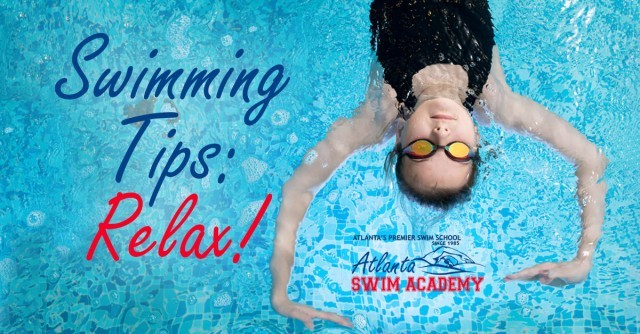
Back Floating. One of our favorite activities at Atlanta Swim Academy is teaching our swimmers to float on their back for the duration of a fun song. This can help the swimmers relax and makes the process more fun.
If you would like to get your child involved in swim lessons at Atlanta Swim Academy, sign up here!



Comments